The ethical premise: why down deserves scrutiny
Down, at its best, is a miracle of warmth with a fraction of the weight. It’s a material that has traveled a long, often opaque path—from the flocks that yield it to the lofted comforters that cradle us at night. The ethical questions are not about the physics of loft, but about the social compact behind the loft: how the geese are raised or—less controversially for some—how the down is sourced, processed, and finished for consumer markets. In 21st-century textiles, the demand for transparent supply chains has moved from niche concern to consumer expectation, and the luxury segment is increasingly measured by its willingness to answer these questions with clarity, not rhetoric.
Standards like the Responsible Down Standard (RDS) emerged precisely to codify a path from farm to duvet that respects animal welfare and environmental considerations. These frameworks don’t merely certify the final product; they anchor a chain of custody that invites scrutiny at every link. In this sense, ethical sourcing is less a single certificate and more a living practice—a set of guardrails that brands continually audit and refine.
Key certifications and what they promise
The Responsible Down Standard (RDS) stands as the most widely cited benchmark for responsible down. It publicly asserts that down products come from farms that meet certain welfare standards, prohibit live-plucking and force-feeding, and maintain a traceable supply chain. While no single certificate can capture every moral nuance, RDS aims to reduce harm and increase traceability, providing consumers with a credible baseline.
Other seals and certifications—or combinations of them—often appear in tandem with RDS or as alternatives in specific regions. For example, some brands highlight third-party verification of farm practices or environmental stewardship alongside their RDS certification. In evaluating these claims, readers should look for:
- Explicit farm origin information or traceability maps showing the path from farm to fabric.
- Details about the processing steps that prevent cross-contamination between down and non-down fills.
- Independent audits or certifications (e.g., zootechnical welfare assessments, biodiversity protections) beyond the basic down standard.
- Transparent disclosures about the proportion of down versus other fills, where applicable, and the presence of any animal byproducts.
Brand case studies: how the players position themselves
Three brands frequently referenced in discussions about responsible down—St Geneve, The Clean Bedroom, and DownTown Company—offer instructive examples of how ethics interfaces with luxury design. Each brand builds a story that blends craftsmanship, material science, and ethical commitments, yet the way they communicate these commitments can vary as widely as the looms that weave their fabrics.
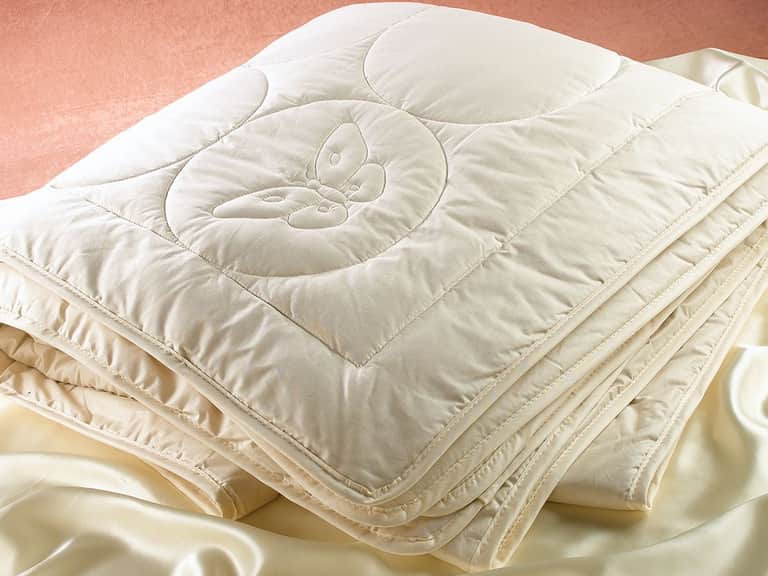
St Geneve has cultivated a reputation for heirloom-quality down products, often emphasizing long-standing sourcing relationships, meticulous craftsmanship, and certifications that reassure discerning shoppers. The language is precise, and the product pages tend to pair technical detail with a sense of stewardship—an approach that aligns with a broader movement toward responsible luxury.
The Clean Bedroom positions itself around a narrative of purity and transparency—appealing to consumers who seek a clean, respectful sleep environment. Its product descriptions frequently foreground the ethical and environmental benefits of down and related fills, signaling a commitment to responsible practices alongside comfort.
DownTown Company blends a heritage of European textile craft with modern sustainability storytelling. Its silk-heavy and down-filled lines suggest a design-forward ethos that does not sacrifice ethical considerations. The brand’s transparency about finish, care, and certifications mirrors a larger industry trend toward visible stewardship.
How to evaluate a brand’s transparency in practice
Evaluating transparency requires a multi-angle lens. It isn’t enough to see a logo or a certification badge; one must read the accompanying narratives about supply chains, visit or simulate the farm-to-fabric journey through published maps or reports, and question how loft quality is achieved without compromising ethical commitments.
Practical steps for the conscientious shopper include:
- Request a supply chain map or a farm report that traces down to the source farms, including welfare measures and third-party audits.
- Ask whether the brand can specify the country or region of origin for the down fill and the shell fabric, and whether any mixing of fills occurs in a single product line.
- Inquire about the proportion of responsible down in a product (some items mix down with other fibers or feathers) and whether certification applies to the entire product or only the down portion.
- Examine care guides for evidence of non-toxic, sustainable finishing processes that align with the broader ethical stance.
From farm to duvet: tracing the journey
The farm-to-fabric journey is, in essence, a series of decisions—each with moral weight. The decision to raise geese or ducks humanely, the methods of plucking or harvesting, the storage and transport conditions, and the processing steps to clean and sort the raw down all contribute to the final ethical profile of a product. When brands publish traceability information, they invite consumers to follow that path and to weigh it against their own values.
The most impactful breakthroughs in tracing have often been joint undertakings among brands, certifiers, and independent researchers. When a label promises real transparency, it typically means a published, verifiable record that can be scrutinized by a third party. And while no system is perfect, a culture of openness—where brands readily share supplier lists, farm names, and audit results—marks a meaningful shift from marketing to accountability.
What to look for in product pages
In the product pages of responsible-down-forward brands, certain features reliably signal thoroughness:
- Explicit certification claims (RDS, or other credible third-party seals) with a short explanation of what they cover.
- Clear, navigable disclosures about origin for both down and shell materials.
- Details about how the filling is processed to prevent contamination with non-down materials.
- Evidence of ongoing supplier audits, independent testing, or welfare standards beyond basic compliance.
- Accessible customer service pathways for buyers to request more information or documentation.
A practical conclusion: shopping with intention
Ethical sourcing in luxury bedding is not a static achievement but an ongoing practice. It asks shoppers to value the quiet, rigorous labor behind the loft—the careful decisions that keep warmth humane and sleep undisturbed. The goal is not to demonize or to sanctify but to illuminate a chain of responsibility, to reward brands that make the effort to map their values onto volume, and to empower consumers to use their purchasing power as a form of informed advocacy.
In this landscape, the examples of St Geneve, The Clean Bedroom, and DownTown Company offer instructive templates of how to tell a story of responsible luxury—one that foregrounds transparency, ethics, and enduring quality without surrendering the refined aesthetics that define the category.
Further reading and how to continue learning
A rigorous consumer education approach involves cross-referencing brand claims with independent reports, standard-setting bodies, and, where possible, direct supplier disclosures. Journals and industry analyses that focus on textile ethics, animal welfare, and sustainable supply chains can offer context for the technical language used in product descriptions. Keeping a ledger of questions—where the down comes from, how welfare is verified, what audits exist, and how the product is finished—helps maintain a critical perspective while enjoying the comfort of a well-made duvet.